Source Quick Release Tactical Waist Belt for Training, Outdoor, and Industry
Find 30 options for the quick release tactical waist belt designed for tactical training, outdoor adventures, and industrial use. Compare features like fully waterproof polyester construction, anti-theft designs, and customizable logos to find the right fit for your needs; compare the available evidence and request quotations based on your requirements.
Key considerations
Products List


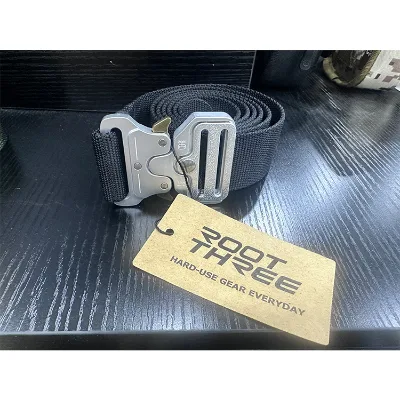
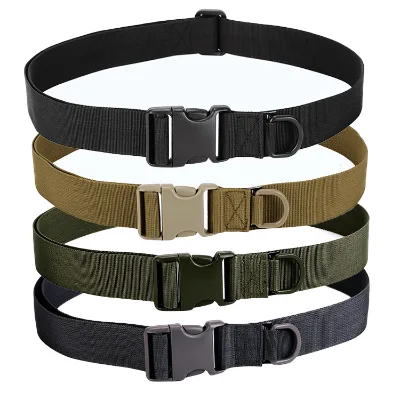


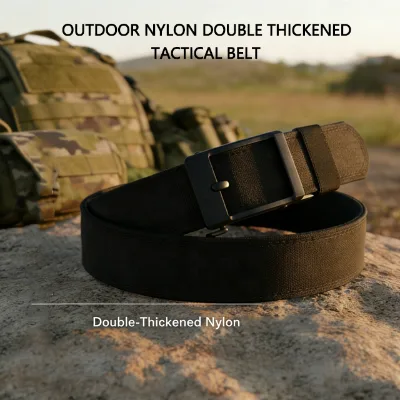


Comprehensive Sourcing Guide
Quick Release Tactical Waist Belt Sourcing Guide
Procurement teams must first distinguish between standard utility belts and specialized tactical gear designed for rapid deployment in high-stress environments. The observed market data indicates a strong presence of products featuring press buckles and pin buckles, alongside customizable options that allow for specific operational requirements. Buyers should prioritize suppliers who explicitly list "Tactical Training" and "Outdoor Adventures" as primary use cases, ensuring the gear meets the rigorous demands of field operations rather than casual wear.
Verification of the core mechanical components is essential before finalizing any order, as the quick-release mechanism is the critical safety feature of this equipment. The supplied facts highlight a variety of buckle types, including alloy hardware and needle-style buckles, which must be tested for reliability under load. Sourcing decisions should rely on the explicit confirmation of "High-Quality" construction and the availability of OEM/ODM services to ensure the belt can be tailored to specific organizational branding and functional needs without compromising structural integrity.
Product Scope and Observed Listing Signals
The current market landscape for tactical waist belts reveals a diverse range of specifications, with observed capacities extending up to 69 liters for integrated pack systems and belt widths consistently meeting or exceeding 4 centimeters. Listings frequently cite materials such as polyester and nylon, which are standard for durability, while color options span from tactical greens and camouflage patterns to practical blacks and browns. Buyers must carefully cross-reference these attributes against their specific operational environment to ensure the selected gear provides adequate concealment or visibility as required by their mission profile.
Commercial signals in the listings indicate a flexible approach to customization, with many suppliers offering logo personalization and tailored transportation services. The presence of models like SWTB-018 and GZTB-006 suggests a mature supply chain capable of producing distinct variations for different tactical roles. Procurement officers should note that while some items are described as "Normal" type, others are explicitly categorized as "Tactical Belt" or "Belt Accessories," requiring a clear definition of the intended application to avoid purchasing under-specification equipment for demanding field conditions.
Technical Specifications to Verify
Technical due diligence must focus on the precise dimensions and material composition of the belt and its associated hardware. The observed data specifies belt lengths ranging from 120 to 130 centimeters, with some models extending beyond 130 centimeters, necessitating a verification of fit for the intended user demographic. Additionally, the standard dimensions of 75cm x 48cm x 34cm for related pack systems and MOLLE compatibility are critical for ensuring that the belt can effectively support the attachment of other tactical accessories without failure during movement.
Buyers must rigorously test the buckle mechanisms, as the supplied facts mention both press buckles and pin buckles with varying hardware types like needle buckles. The material of the buckle itself, often listed as alloy, must be confirmed for corrosion resistance and tensile strength to prevent sudden failure during critical moments. Furthermore, the inclusion of punch tools and metal chain accessories in some listings requires a separate evaluation of their compatibility with the primary belt structure to ensure a cohesive and reliable system for the end-user.
Compliance and Safety Documentation
While the provided product facts do not explicitly list third-party safety certifications, buyers must demand evidence of compliance with relevant industrial and safety standards for tactical equipment. The assertion of "Fully Waterproof" capabilities requires validation through independent testing reports, as this claim directly impacts the reliability of the gear in adverse weather conditions. Procurement teams should request specific test data regarding the waterproofing integrity and the durability of the nylon or polyester materials under repeated stress and environmental exposure.
Safety documentation should also address the mechanical reliability of the quick-release features, ensuring they function correctly under extreme loads. The absence of specific certification names in the source data means that buyers cannot assume compliance with international standards without direct verification from the supplier. It is imperative to obtain written guarantees regarding the "High-Quality" status of the product and to ensure that the manufacturing process adheres to strict quality control protocols that prevent defects in the buckle hardware or stitching.
Cost Drivers and Commercial Terms
The pricing structure for tactical waist belts is influenced heavily by the level of customization and the complexity of the quick-release mechanisms. Observed price ranges vary significantly, from low-cost basic models to premium options featuring advanced alloy buckles and specialized waterproofing. Buyers should analyze the cost implications of customizing logos, colors, and dimensions, as these value-added services often increase the unit price and may affect the minimum order quantity requirements set by the supplier.
Commercial terms must be negotiated with a clear understanding of the minimum order quantities, which range from single units to 2000 units in the observed market. The availability of customized transportation services and carton packing options adds logistical value but may introduce additional costs that need to be factored into the total landed cost. Procurement strategies should account for the potential need for bulk purchasing to achieve favorable pricing tiers while balancing the flexibility required for smaller, specialized orders.
Supplier Qualification and Quality Control
Supplier qualification should prioritize manufacturers located in established industrial hubs like Shanghai and Hubei, China, which are noted in the product origins. These regions often possess the infrastructure necessary for high-volume production of tactical gear, yet buyers must verify the specific factory capabilities regarding quality control and consistency. The acceptance of OEM/ODM services indicates a supplier's willingness to adapt, but this must be paired with a robust quality assurance process to ensure that every batch meets the strict performance standards required for tactical applications.
Quality control protocols must include rigorous testing of the belt's load-bearing capacity and the reliability of the quick-release buckles. Buyers should require a detailed quality inspection report that covers material strength, stitching integrity, and the functionality of the buckle hardware under simulated field conditions. The presence of "High-Quality" claims in listings is insufficient on its own; therefore, establishing a clear acceptance criteria and conducting pre-shipment inspections are essential steps to mitigate the risk of receiving substandard equipment.
Long-Term Procurement Checks
Sustaining a reliable supply chain for tactical waist belts requires ongoing monitoring of supplier performance and product consistency over time. Buyers should establish a schedule for periodic re-verification of the product specifications, ensuring that the belt width, length, and buckle materials remain consistent with the original order. This proactive approach helps prevent drift in quality standards and ensures that the equipment continues to meet the evolving operational needs of the organization.
Long-term checks must also include an assessment of the supplier's ability to maintain inventory levels and manage lead times effectively. The observed data suggests a range of lead times and production capacities, making it crucial to maintain open communication channels with the supplier to anticipate potential delays. Regular reviews of the product's performance in the field will provide valuable feedback that can be used to refine future procurement specifications and strengthen the partnership with the manufacturer.
FAQs
What materials are used for quick release tactical waist belts?
These belts are primarily constructed from high-quality polyester and nylon materials to ensure durability and comfort during extended use. The buckle hardware is typically made from robust alloy components, providing reliable strength and resistance to wear. This combination of materials supports the fully waterproof design, making the gear suitable for various outdoor adventures and tactical training scenarios without compromising structural integrity.
Can I customize the logo and color of the belt?
Yes, customization is available for both logo and color options. Buyers can select from standard colors like green, camouflage, brown, black, tan, or gray, or request fully customized color schemes. The logo can be tailored to specific brand requirements, allowing for personalized branding. This OEM and ODM acceptance ensures that the final product aligns perfectly with your organizational identity and aesthetic preferences.
What are the standard specifications for the belt length and width?
The belt width is generally greater than or equal to 4cm, providing ample surface area for attaching accessories via the MOLLE system. The length typically ranges from 120cm to 130cm or exceeds 130cm, ensuring a secure fit for most adult users. These dimensions are designed to accommodate various body types while maintaining a stable and comfortable fit during intense physical activities or tactical operations.
Is the tactical belt suitable for outdoor and industrial use?
Absolutely, these belts are designed for outdoor, tactical, and industrial applications. They feature anti-theft designs and fully waterproof properties, making them ideal for campus, outdoor adventures, and professional training environments. The sturdy construction and specialized buckle types, such as press or pin buckles, ensure reliable performance in demanding conditions, offering both security and functionality for diverse professional and recreational needs.
What is the typical packaging and origin for these products?
Products are typically packed in cartons with customized transportation services to ensure safe delivery. The items originate from locations such as Shanghai or Hubei in China. Standard packaging dimensions are often around 48cm by 28cm by 48cm, facilitating efficient logistics and storage. This structured approach to packing helps protect the belts during transit, maintaining their high-quality condition upon arrival at the destination.